Technical services
Yacht AV/IT services
I fix problems, install equipment and refit selected AV/IT systems, from Starlink and networks to cabin automation, CCTV and media.
The result should work well for the people onboard. I consider how guests and crew use the system as well as the equipment behind it. The sections below show examples; you can ask me about other AV/IT work too.
Discuss the workFault finding and repairs
Something has stopped working, or the same fault keeps coming back. I find the cause and repair it where I can.
Some examples of work
- Find the cause of a fault
- Repair or adjust the affected equipment
- Check that it works where the crew uses it
Networks, Wi-Fi and internet
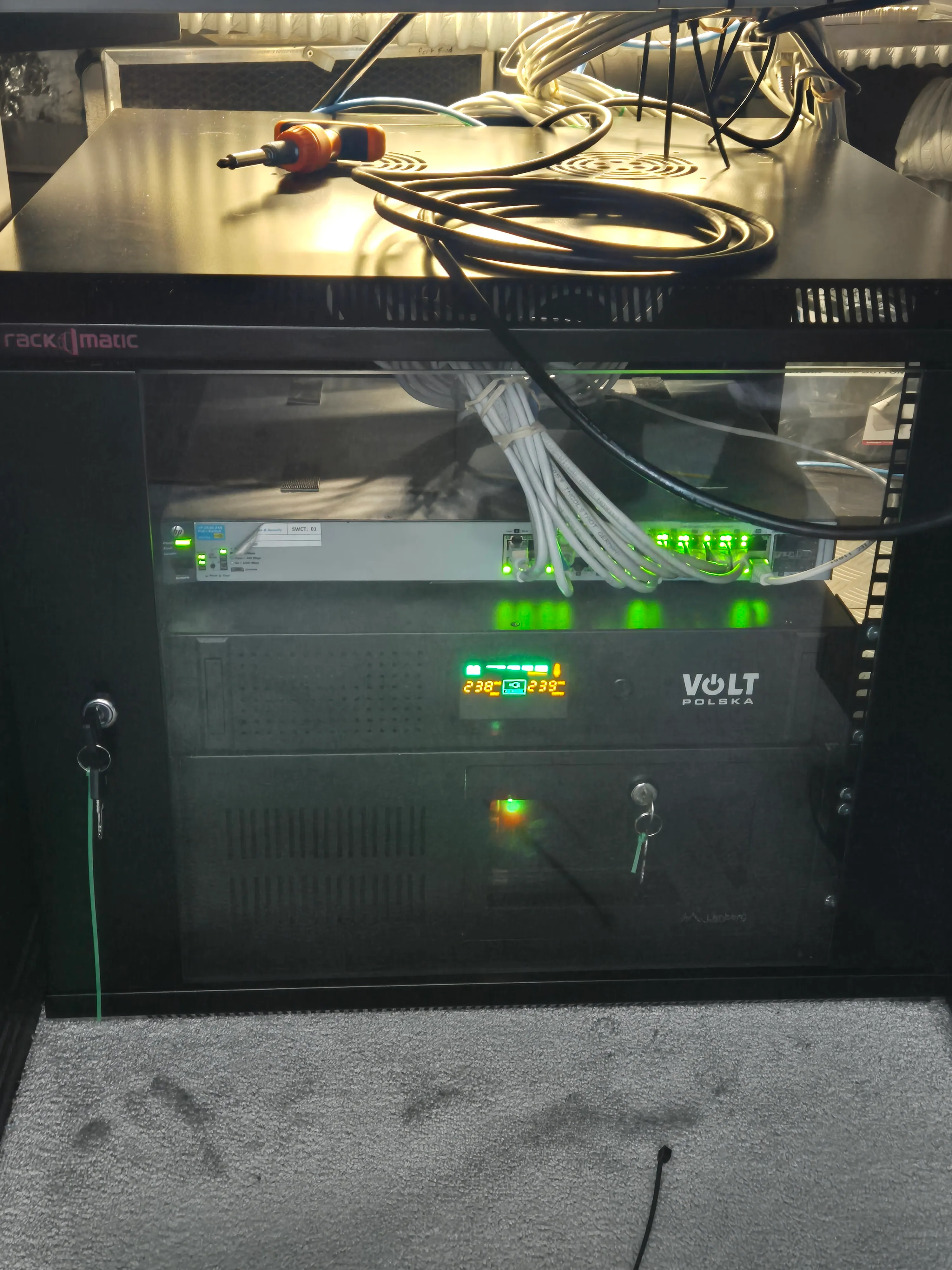
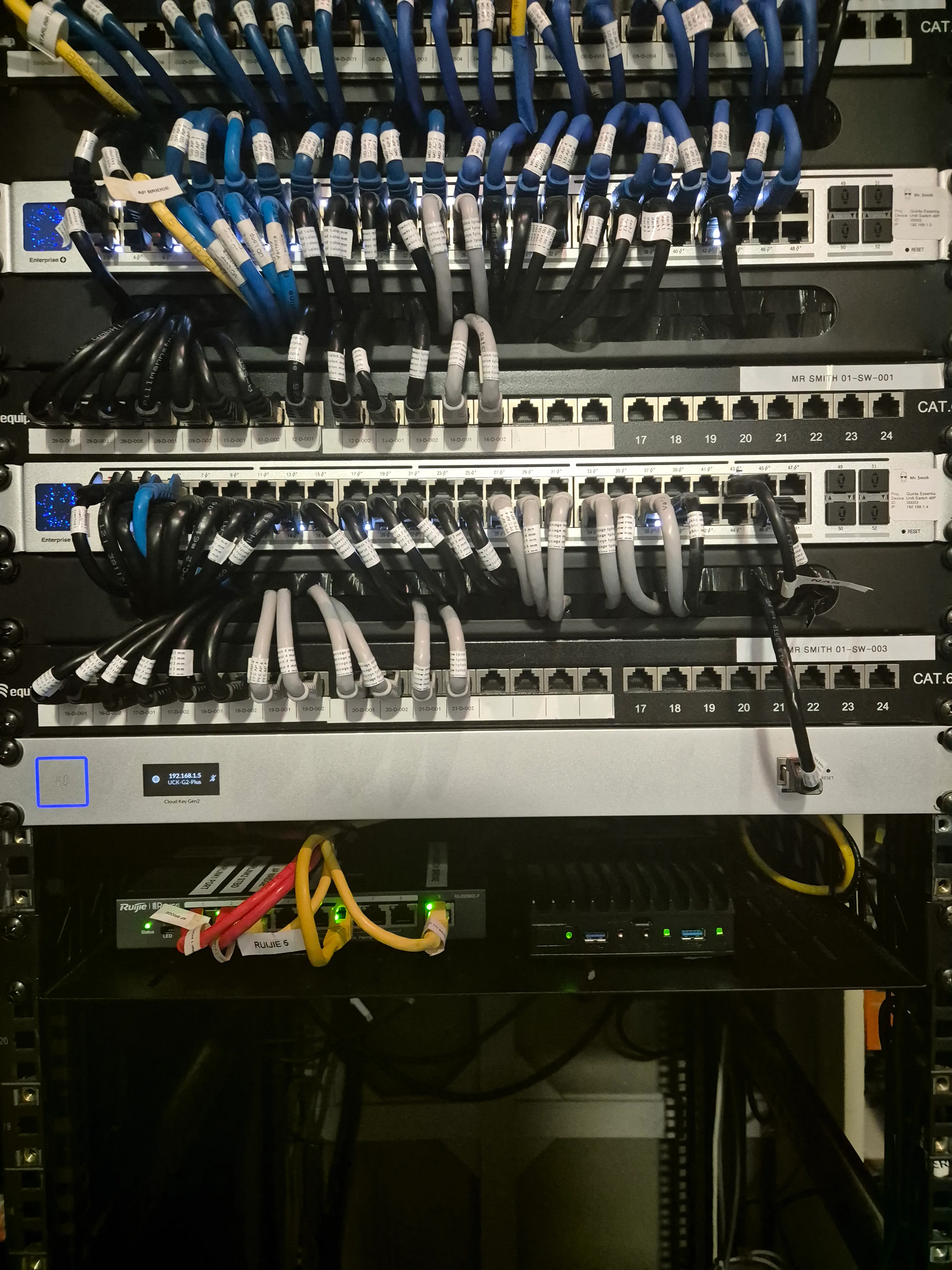
I install Starlink, improve Wi-Fi and keep crew, guest and onboard equipment connected.
Some examples of work
- Mount and connect Starlink
- Fix weak Wi-Fi or unreliable internet
- Set up a backup internet connection
Media, CCTV and crew communications
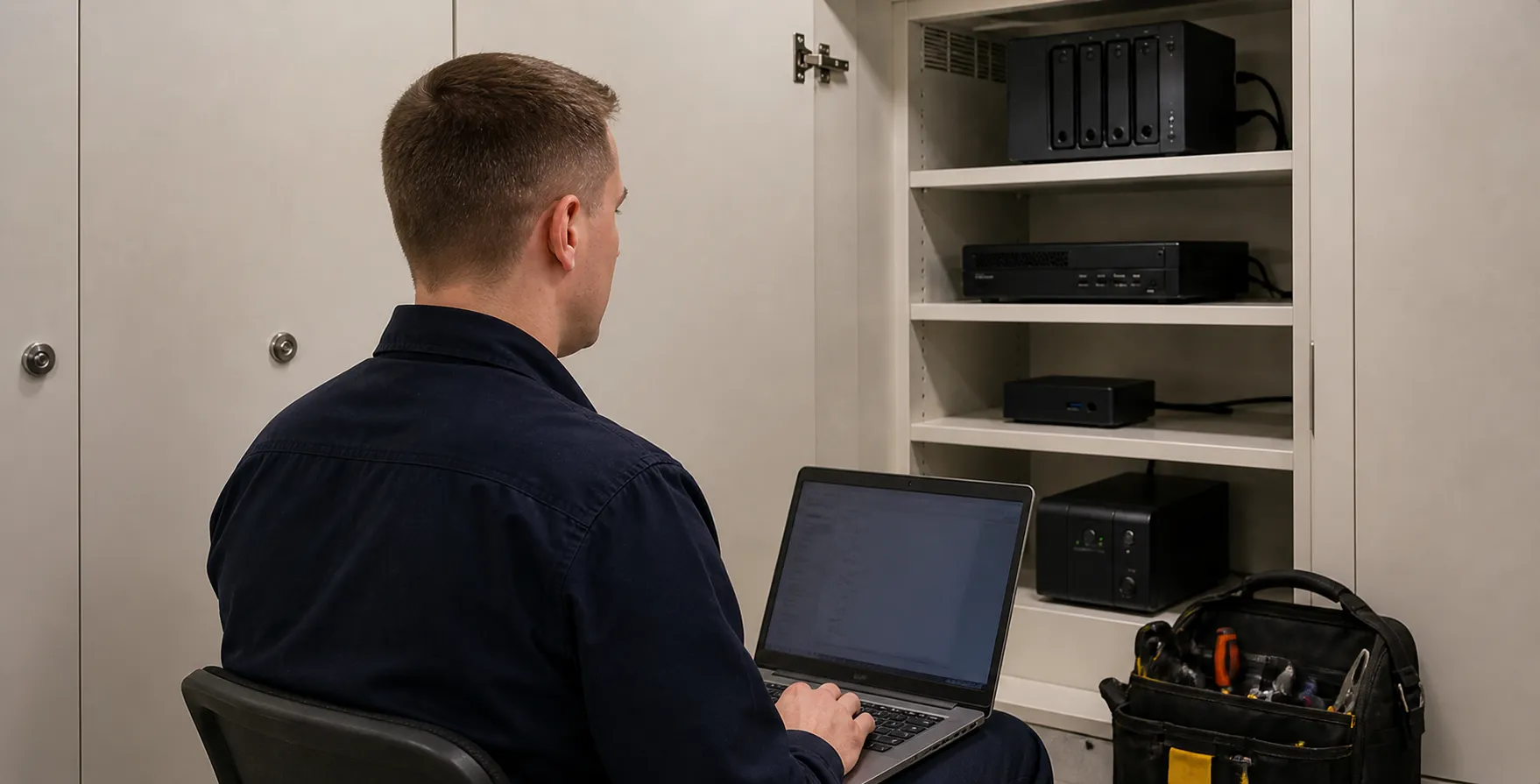
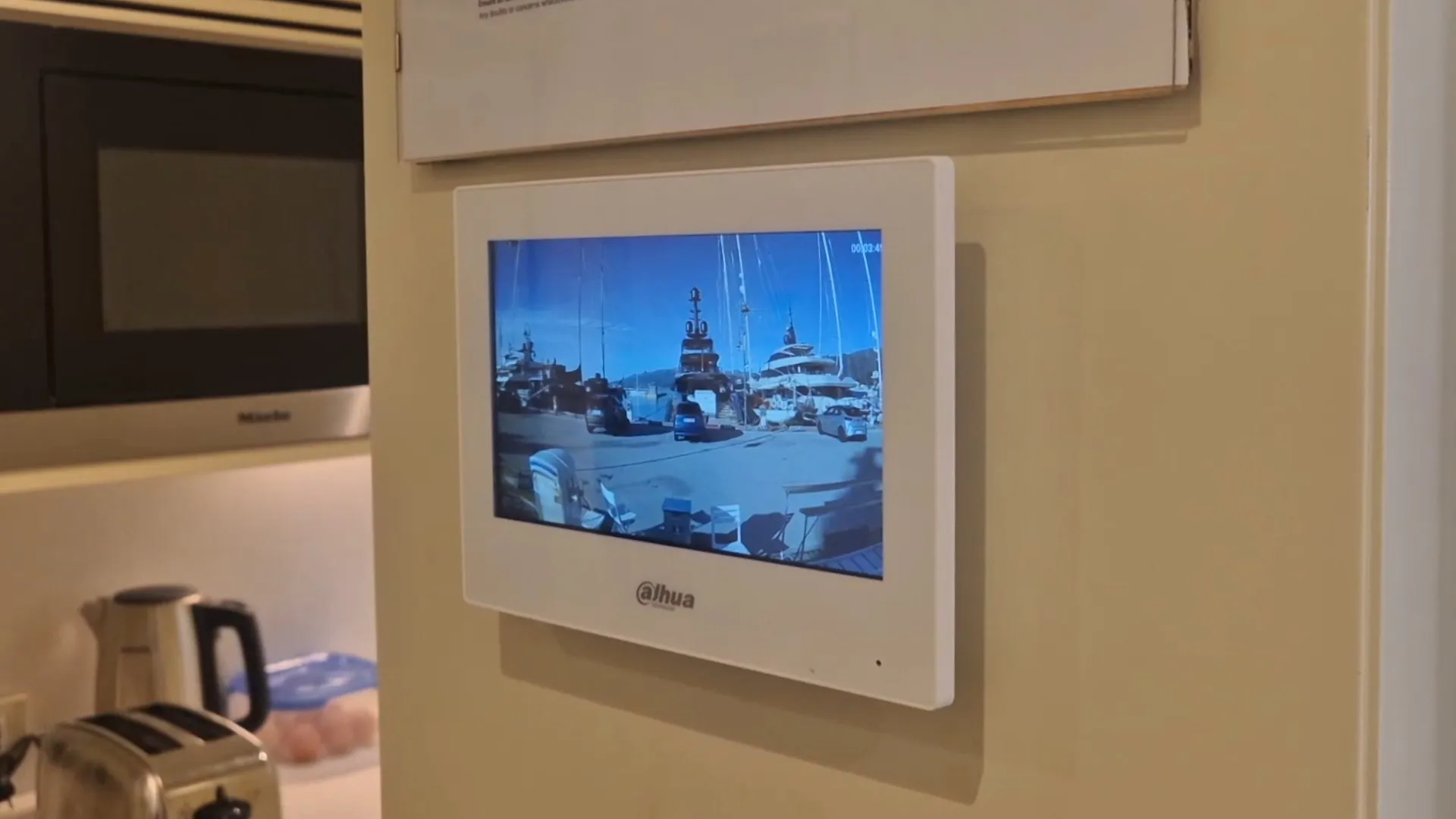
I work on TVs, music, streaming, cameras and intercoms, including the equipment that stores recordings and media.
Some examples of work
- Install or fix TVs, speakers and streaming
- Set up cameras, recording and useful crew viewing screens
- Connect intercoms and room controls
Cabin automation systems
I repair and refit cabin automation for lighting, shades and climate, from failing modules to the controls guests and crew use.
Some examples of work
- Find faults and replace failing devices or modules
- Configure the system for the way the yacht is used
- Teach onboard engineers to replace and configure modules themselves
- Plan button size, icons and room settings around how people use them
- Connect automation with media and other onboard systems
Servers and equipment for crew
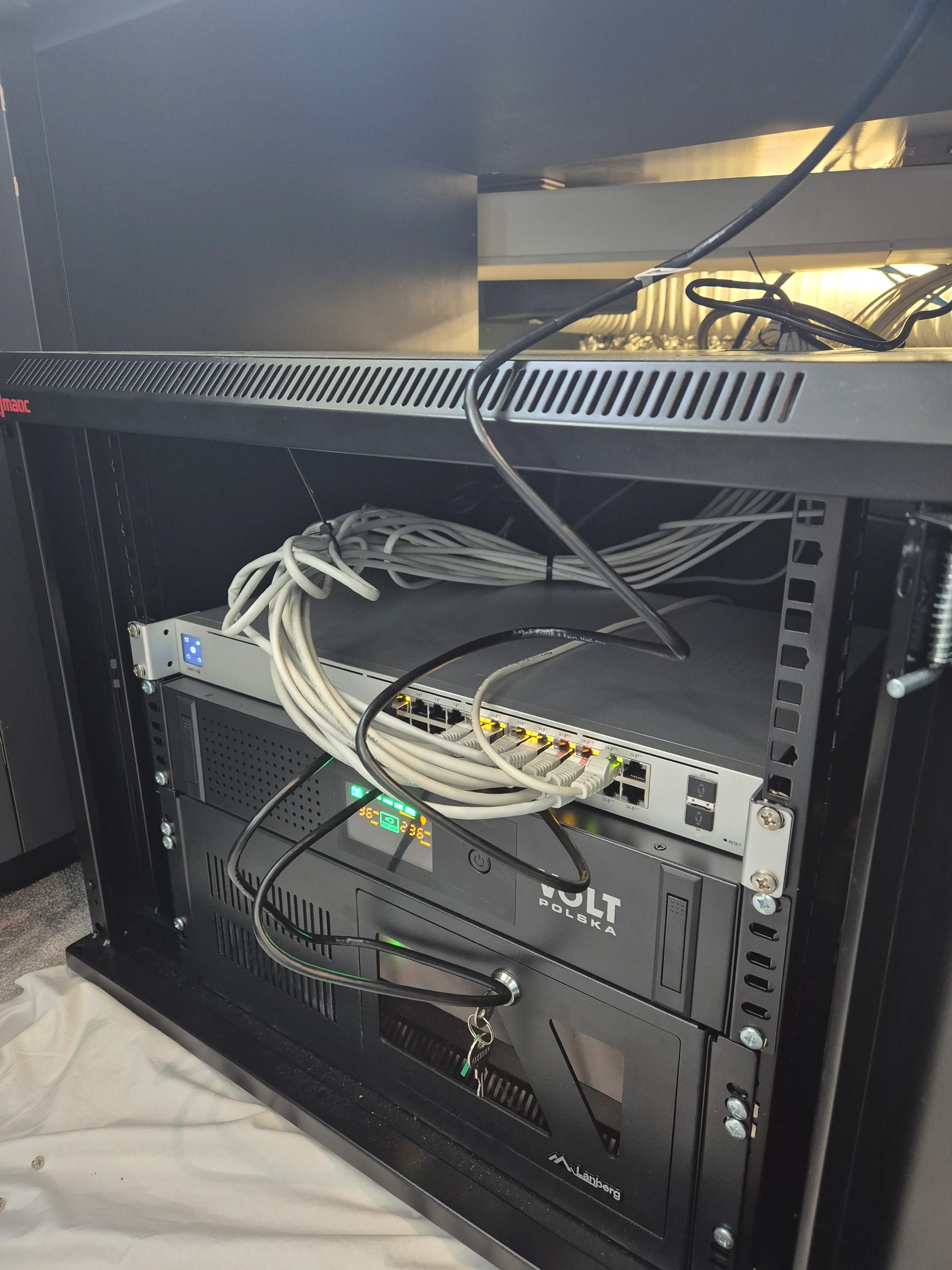
I set up and repair servers for CCTV, media, shared files and data backups, and help crew choose the devices they need.
Some examples of work
- Install or repair CCTV and media servers
- Set up file servers and data backups
- Build computers for crew
- Help choose laptops and work phones
Network security and remote access
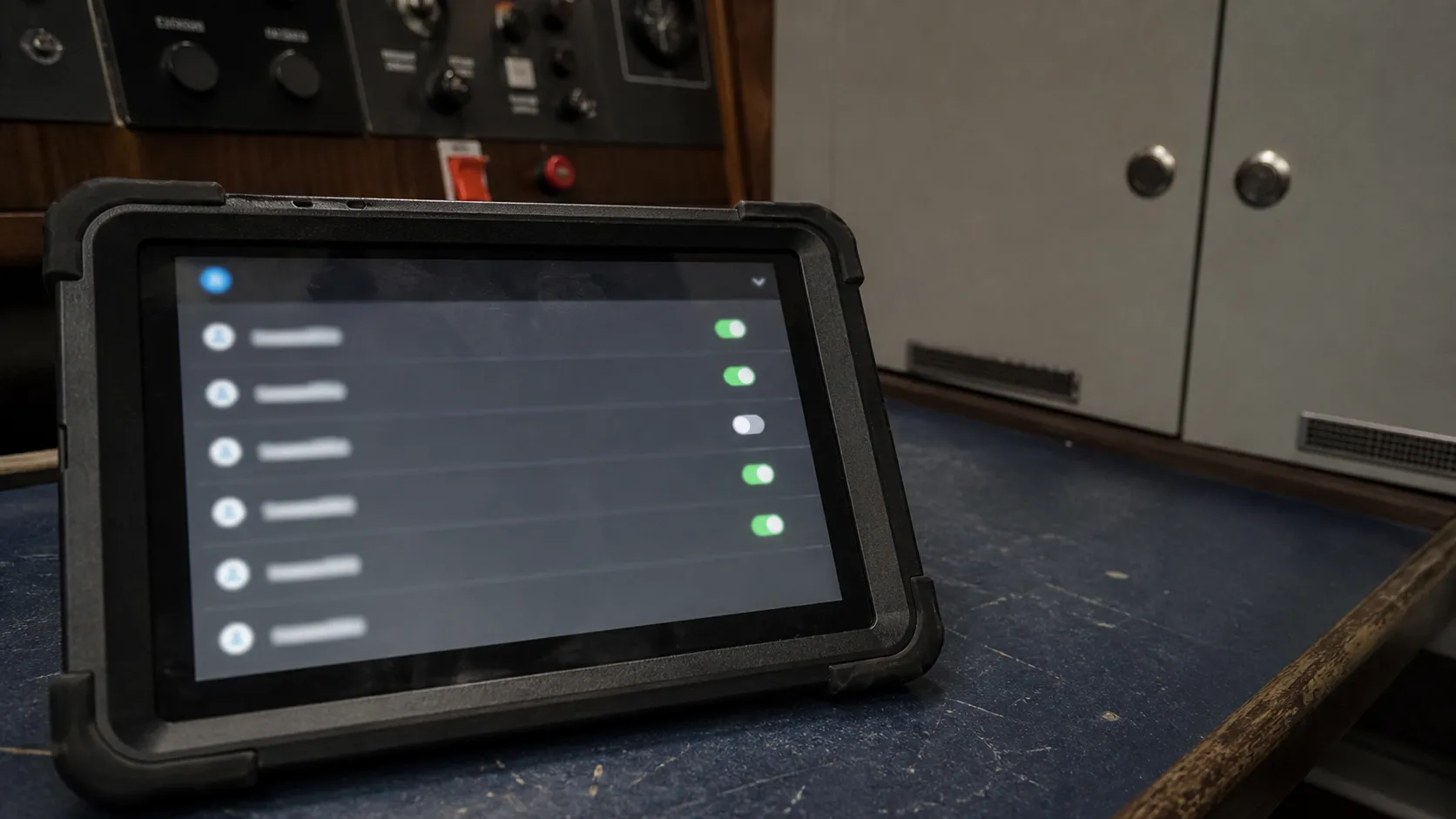
I help the vessel control who can connect to its systems, including contractor access and agreed remote support.
Some examples of work
- Find old contractor accounts and remote connections
- Separate guest access from crew and equipment systems
- Set up a secure connection so I can support agreed onboard systems remotely
- Close temporary access after a job
Information the crew can use
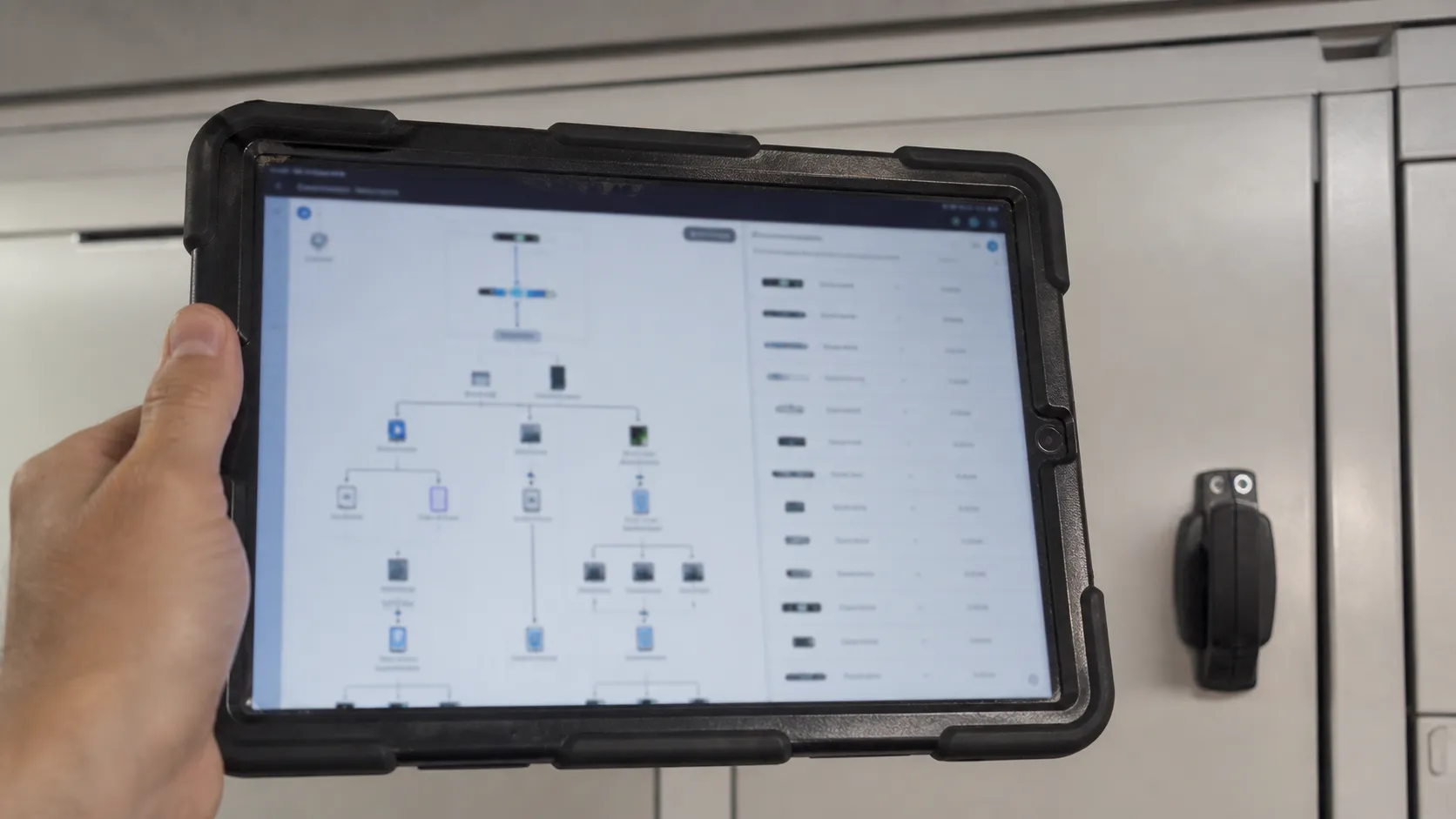
When a system is hard to understand or has changed, I can put its important information in a form the crew can use.
Some examples of work
- Draw a clear diagram of the system
- Write short instructions for everyday use
- Update the crew’s system information after changes
Before work begins
A clear quotation
I explain what I propose to do, what it will cost and what may affect the work. If one change would disrupt other systems, we discuss a sensible way to handle them together.
The quotation reflects the job, the available time and the result you need. I can talk through a straightforward repair or a more involved installation before you decide.
Service enquiry
Tell me about the AV/IT work you need
The examples above are a starting point. Send a short description of your job, even if it looks different from what is shown. Your general location and timing help if you already know them.
Discuss the work