
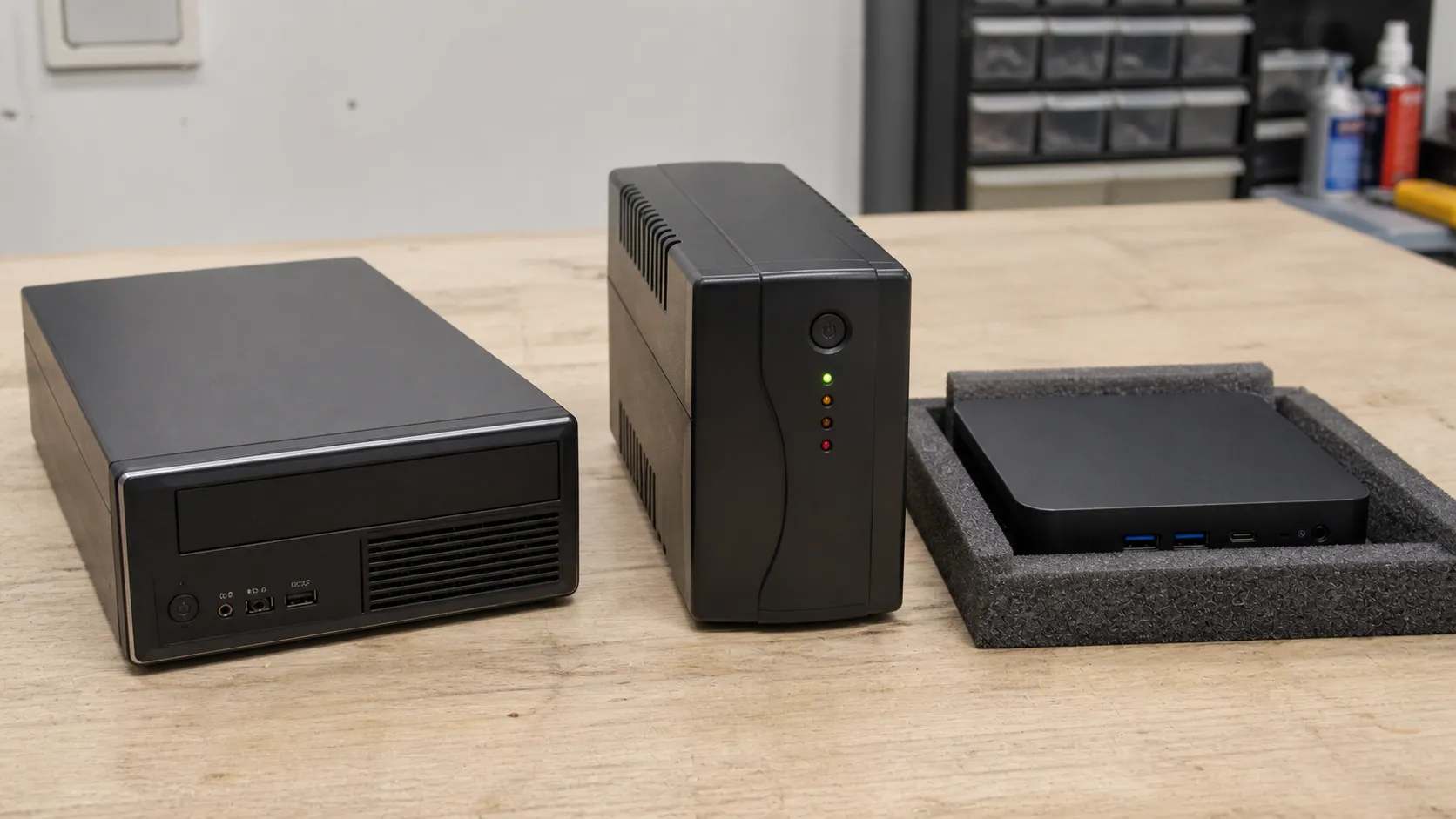
Begin with the service, not the equipment age
An older device can remain a sensible part of a stable system. A newer device can still be the wrong dependency if its configuration cannot be recovered, its external service has changed or it does not interoperate with retained equipment.
Define what the vessel needs the service to do, who is affected by failure and what evidence describes the current fault. This separates a lifecycle decision from a general preference for newer hardware.
When keeping the equipment makes sense
Preservation is reasonable when the equipment performs the required function, its failure behaviour is understood, configuration can be recovered and the surrounding system does not require an incompatible change.
Preservation may still require work: cleaning and thermal correction, verified backups, a spare strategy, documentation or removal of an unnecessary external dependency. Keeping equipment should be an active decision with a known operating boundary.
- Required service remains reliable in normal operation
- Configuration and recovery information are available
- Critical spares or a practical replacement route exist
- Security and vendor-support limitations are understood
- Retention does not block a required integration change
When a repair is enough
Repair fits a local, diagnosable defect where the surrounding platform remains supportable. Power supplies, storage, cooling, cabling, connectors and individual endpoints can fail without making the entire system obsolete.
For a repair, explain which part needs attention, how the result will be checked and what finding would make replacement the better choice. This helps avoid spending the work window repeatedly treating symptoms.
When replacement becomes necessary
Replacement is justified when the required service cannot be recovered reliably, critical parts or licensing are unavailable, the platform creates an unacceptable access risk, configuration cannot be retained, or compatibility prevents a necessary system change.
A replacement scope must include dependencies that are easy to overlook: power, cooling, rack space, network policy, storage, control interfaces, licences, user devices and retained endpoints. The acceptance test should describe normal operation from the crew or guest perspective, not only successful device startup.
Explain the choice
For a small repair, a short explanation of what was wrong and what changed may be enough. A larger replacement can need a fuller account of the options, remaining risks and settings the crew will need. If replacement is deferred, explain what should trigger a fresh review.
That gives the crew or the next engineer a useful starting point if the problem returns.
The best decision preserves equipment that still earns its place, repairs bounded defects and replaces systems when evidence shows that continued operation is no longer supportable or recoverable.
All field notes